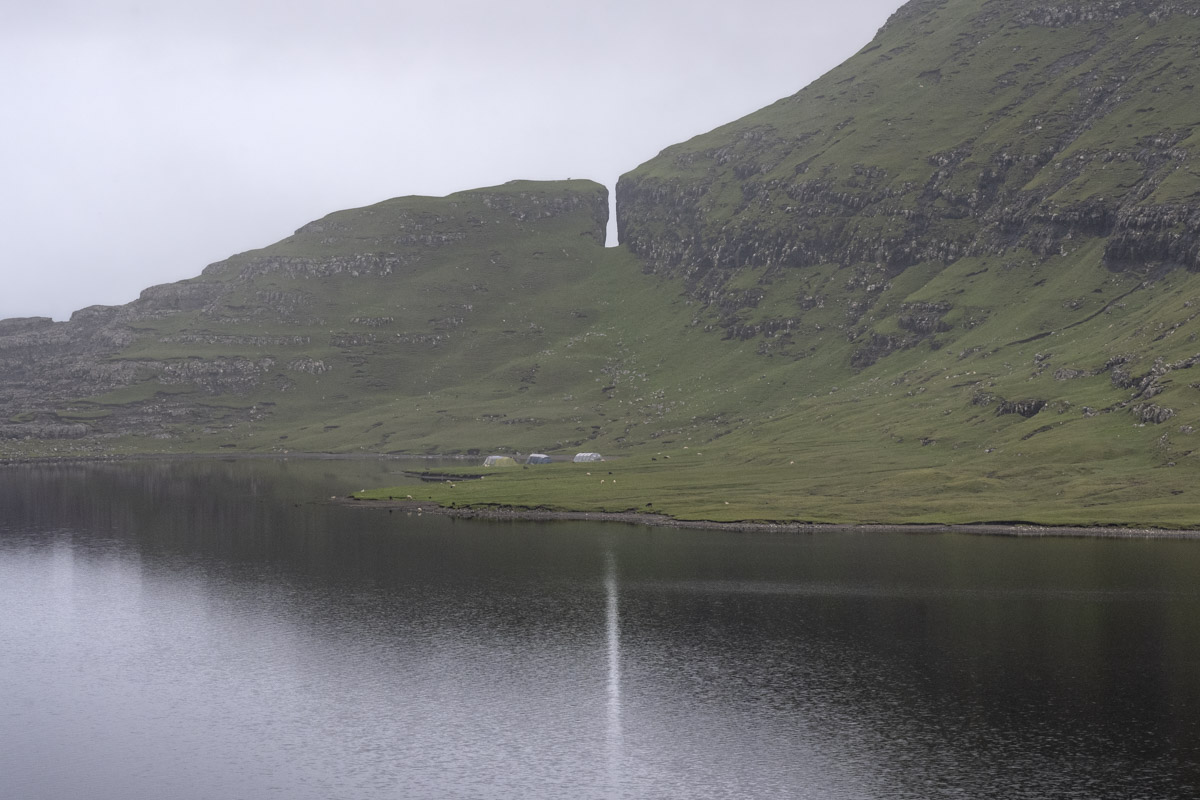
Faroe Islands: Illusions and Cathedrals
We enjoyed the now-familiar drive along the winding highway from Torshavn to the village of Miðvágur on Vágar island. Our destination was the trailhead for Trælanípan (Slave Cliff) and the waterfall Bøsdalafossur. This hike is one of the most popular in the Faroe Islands and features the largest lake in the Faroe Islands. The lake has two names, sometimes Lake Leitisvatn and sometimes Sørvágsvatn, depending on a person’s ancestral roots.
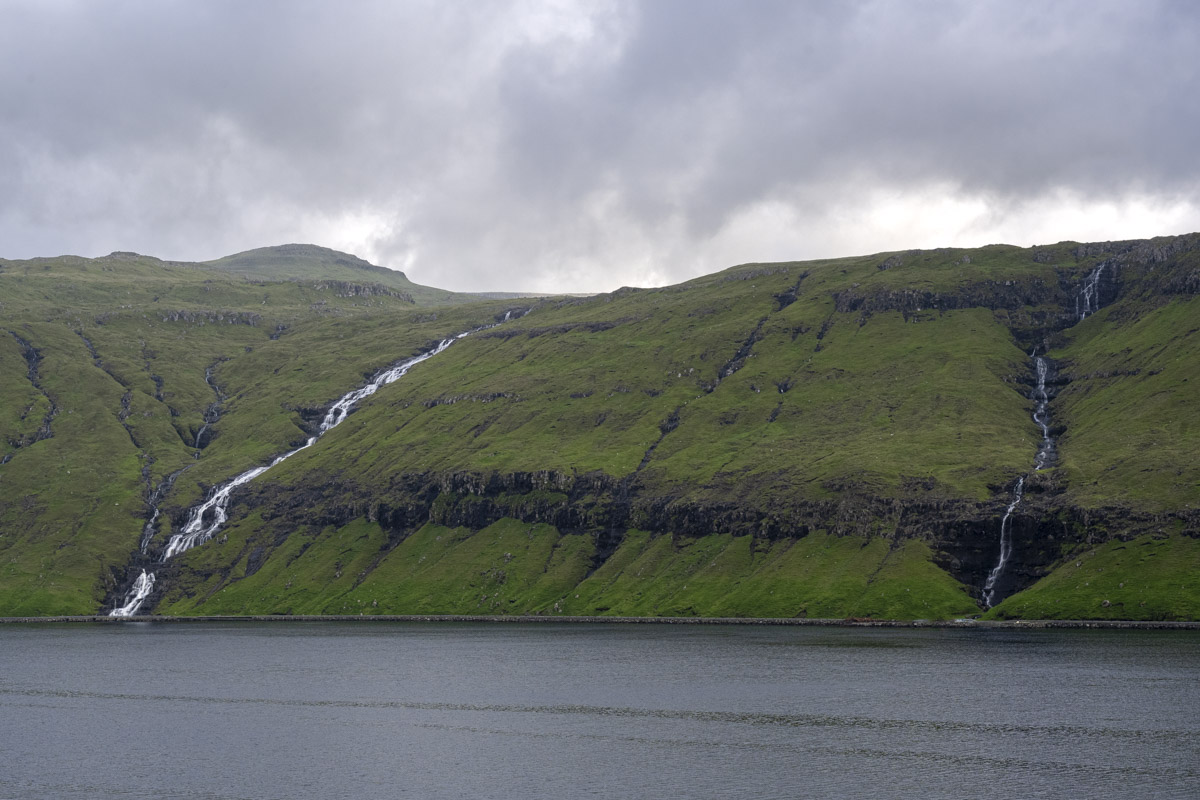
Locals call the lake Vatnið— “the lake”—to avoid committing to either of the lake’s two names. The naming divide is about ancestral land divisions, settlement history, and identity. Miðvágur sits closer, but Sørvágur village claims older rights. The island was once divided into three regions, and depending on which side you’re from, the lake belongs to you. Outsiders using one name over the other can unintentionally step into a centuries-old argument.
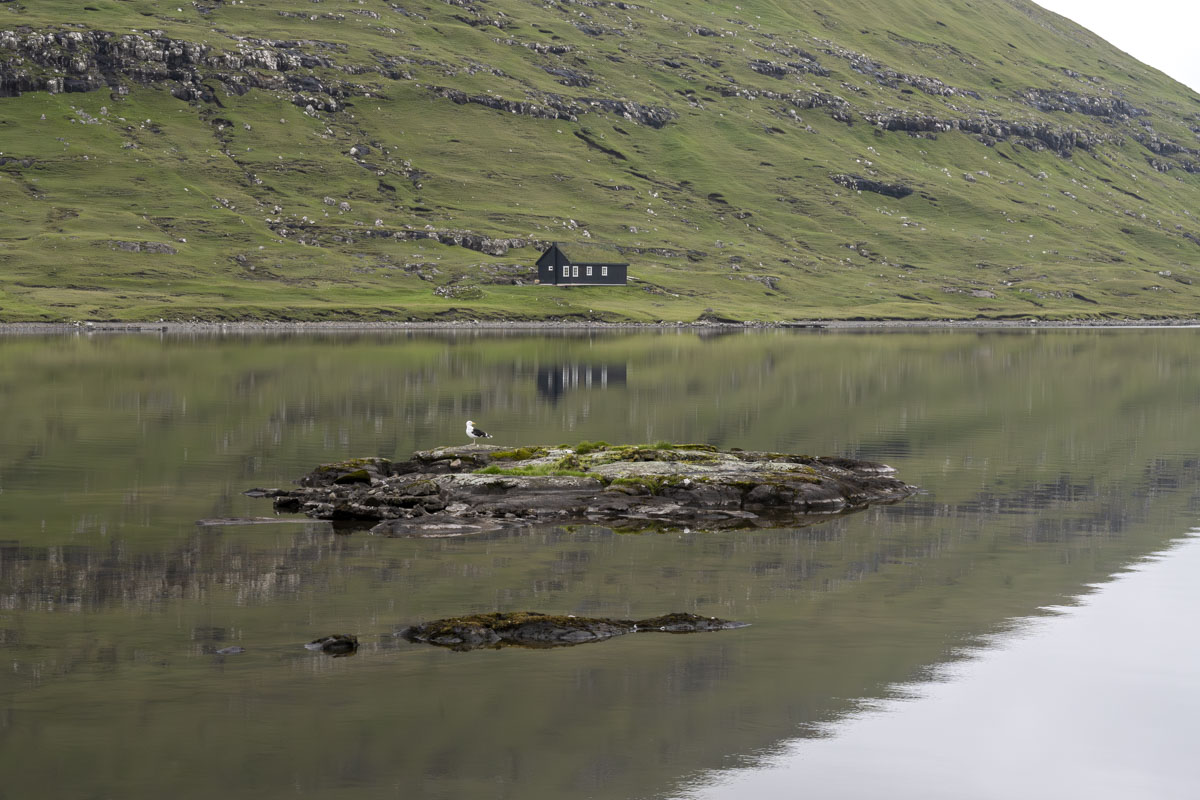
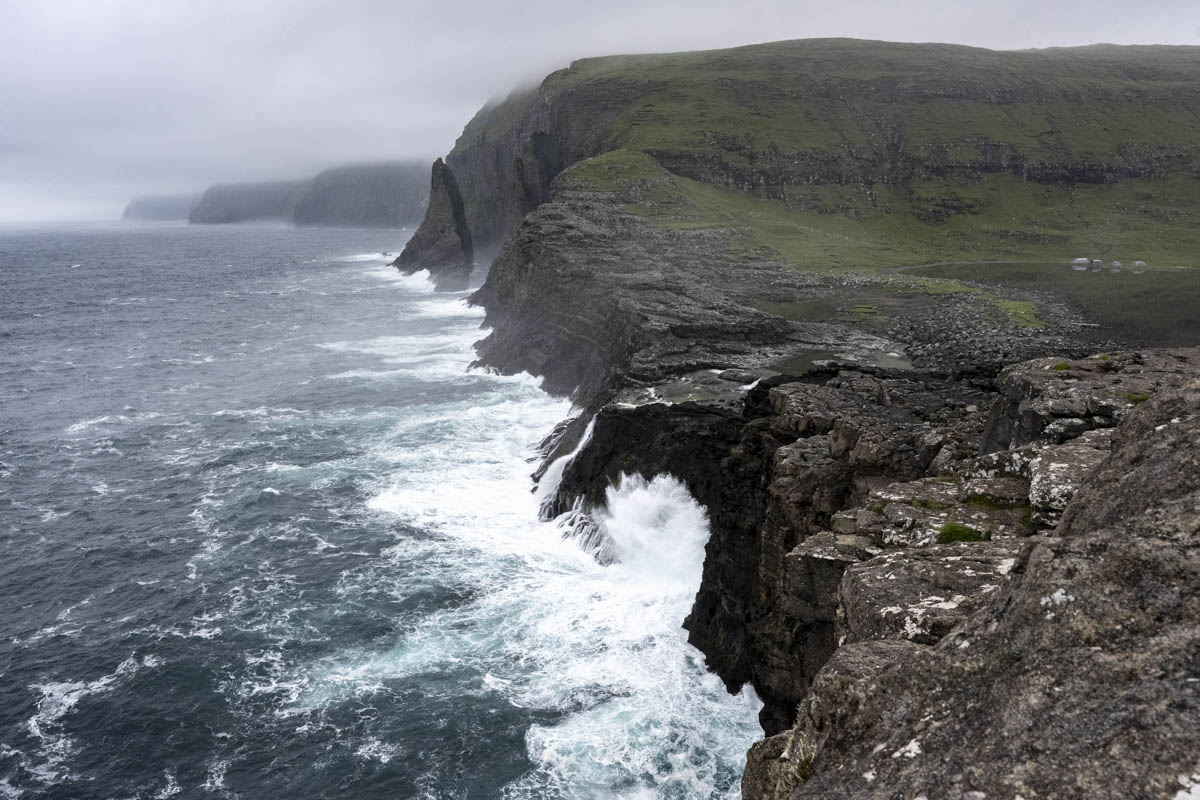
Photos popularized by the Internet create expectations for the hike: a lake that floats above the sea, impossibly serene. It is a serenely beautiful lake, but without a drone to send above the waves for an aerial view, there is no trick for the eye. The illusion only works from the air, where the 142-meter drop of the cliff exaggerates the lake’s position and makes it seem suspended in space. The hike itself is lovely—4.7 miles round trip, with a steep entrance fee driven by the popularization of the “floating lake.”
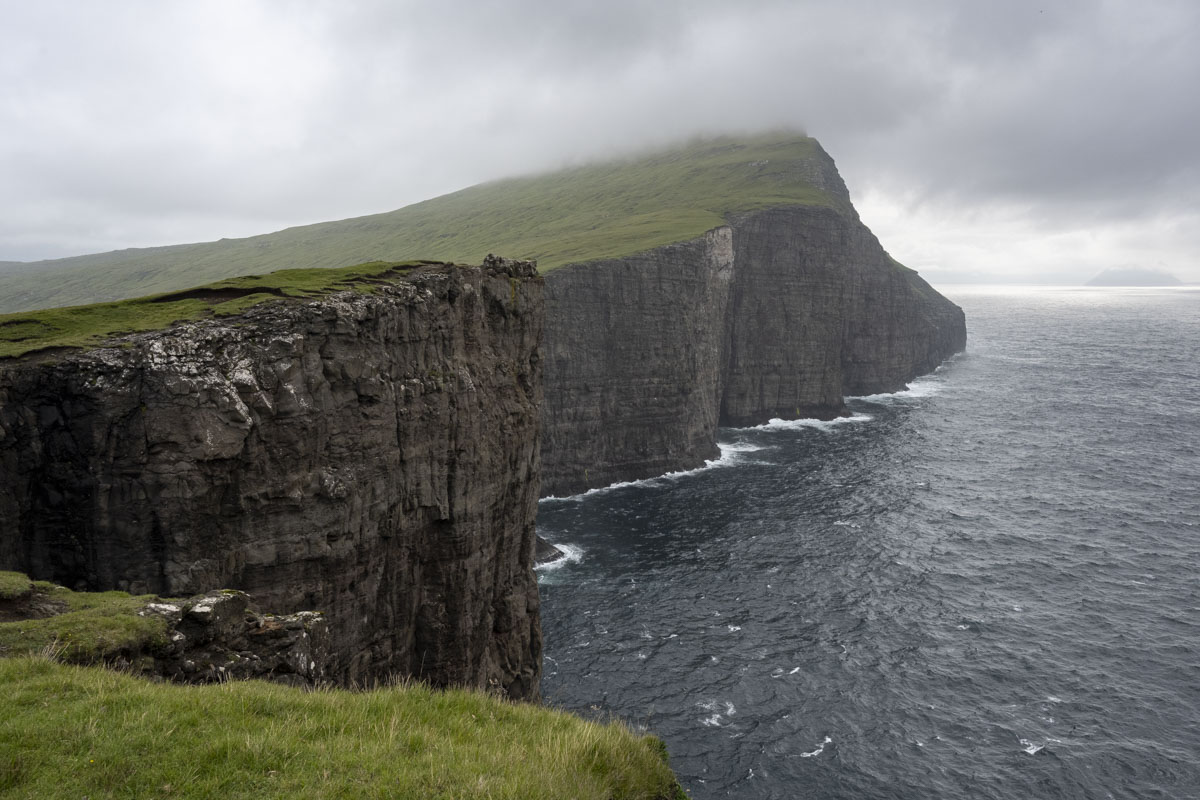
Still, the views are worth it. Bøsdalafossur spills the lake into the Atlantic, and the Geituskoradrangur sea stack juts majestically from the tumultuous water. The basalt cliffs are dramatic, and the waves crash with full force, sometimes nearly reaching the top of the cliff. Trælanípan means “Slave Cliff,” named for a Viking-era legend that enslaved people were thrown from its edge. Whether or not that’s true, the name sticks. It’s part of a well-known narrative now, just like the floating lake illusion.
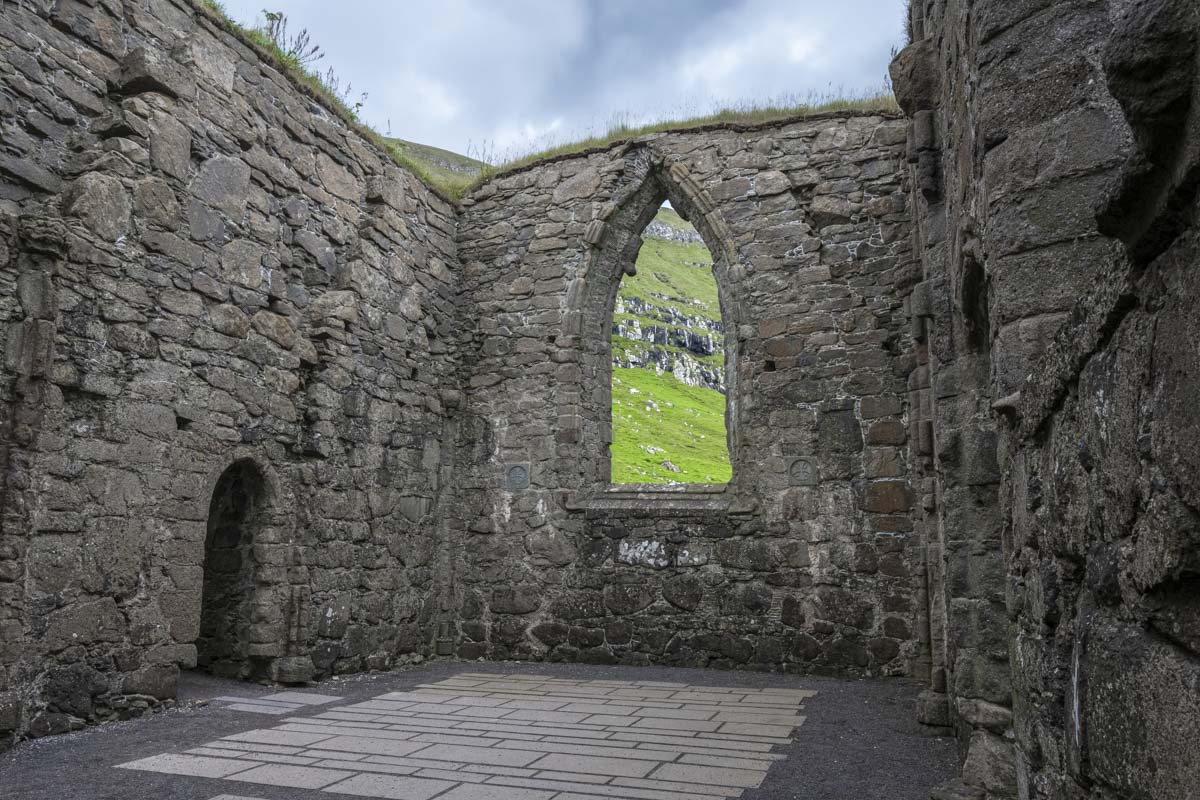
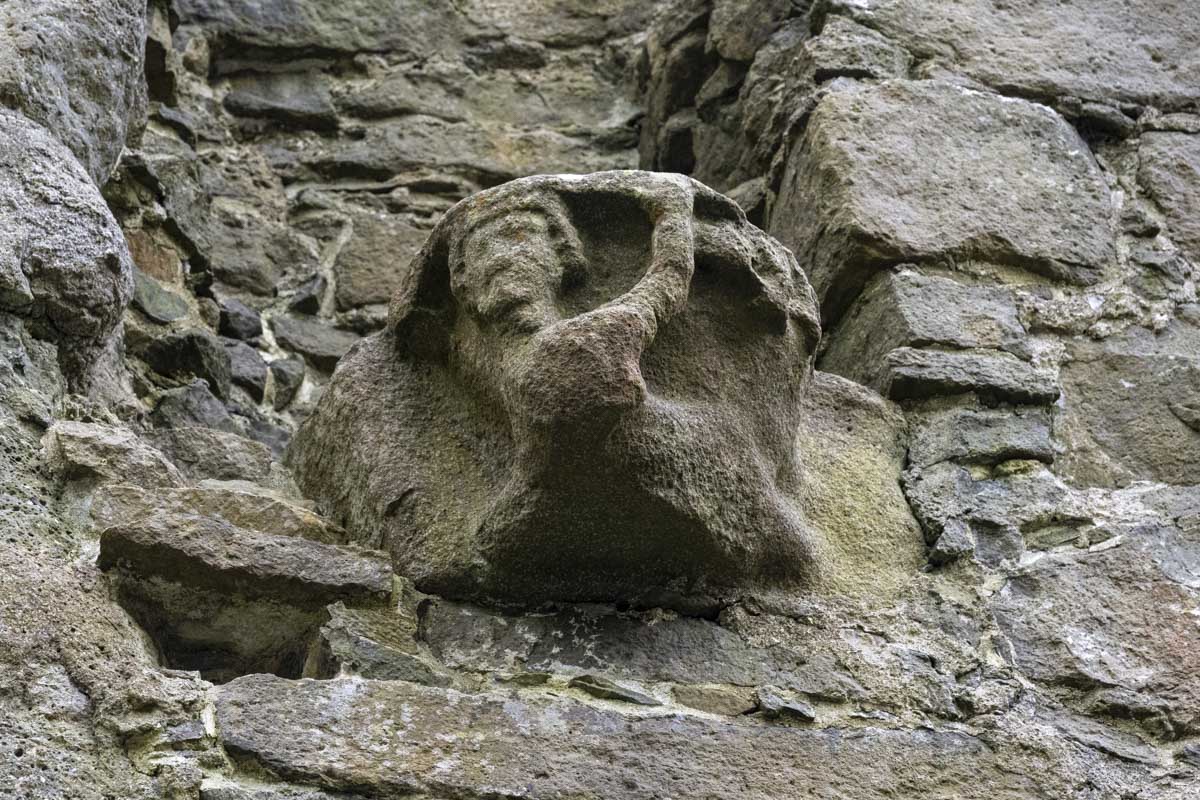
Later, we drove to the village of Kirkjubøur, which sits on a narrow coastal shelf on the southwest edge of Streymoy Island. This stunning location was once the ecclesiastical heart of the Faroes. The roofless stone shell of St. Magnus is a testament to the religious history of the islands. For generations, people believed that the cathedral was never finished. Internet sources and guidebooks agree: this cathedral was never complete. But the sign outside the cathedral emphatically disagrees. It claims the building was completed and used until the Reformation in 1537. Archaeologists found plaster on the walls and the base of a vaulted roof. The tall, pointed Gothic windows reflect a finished design, not an unfinished facade. And a soapstone tablet found in Iceland suggests that the cathedral had been completed and consecrated. The disconnect about the cathedral reminds us how much history has been lost, and how many lives have been lived without record.
We ended our last full day in the Faroe Islands at Tjóðsavnið, the national museum, where the intricate Kirkjubøur Chairs—likely made for St. Magnus Cathedral—are now back home after more than a century in Copenhagen. We also enjoyed seeing stone tools unearthed in Kvívík and combs, beads, and iron tools from Viking-age graves on Sandoy Island.
Tomorrow, we would head to Iceland. Our “puffincore” visit to Faroe Islands had been unforgettable: 8 islands, scores of sea birds, over fifty miles of hiking, many fish dinners, four boat tours, and several rhubarb cocktails. We would like to return and climb Slættaratindur or make the trek from Saksun to Tjørnuvík. And finally set eyes on the elusive sea cliff, Beinisvørð.